Mylar Bags Pro fields the same question from new clients almost every week: which disposable packaging actually fits their product without blowing the budget. Restaurants, cafes, and small food brands all face the same puzzle once orders start growing past a kitchen table operation. The wrong container leaks, the wrong cup sweats through in ten minutes, and the wrong clamshell cracks the moment it hits a delivery bag.
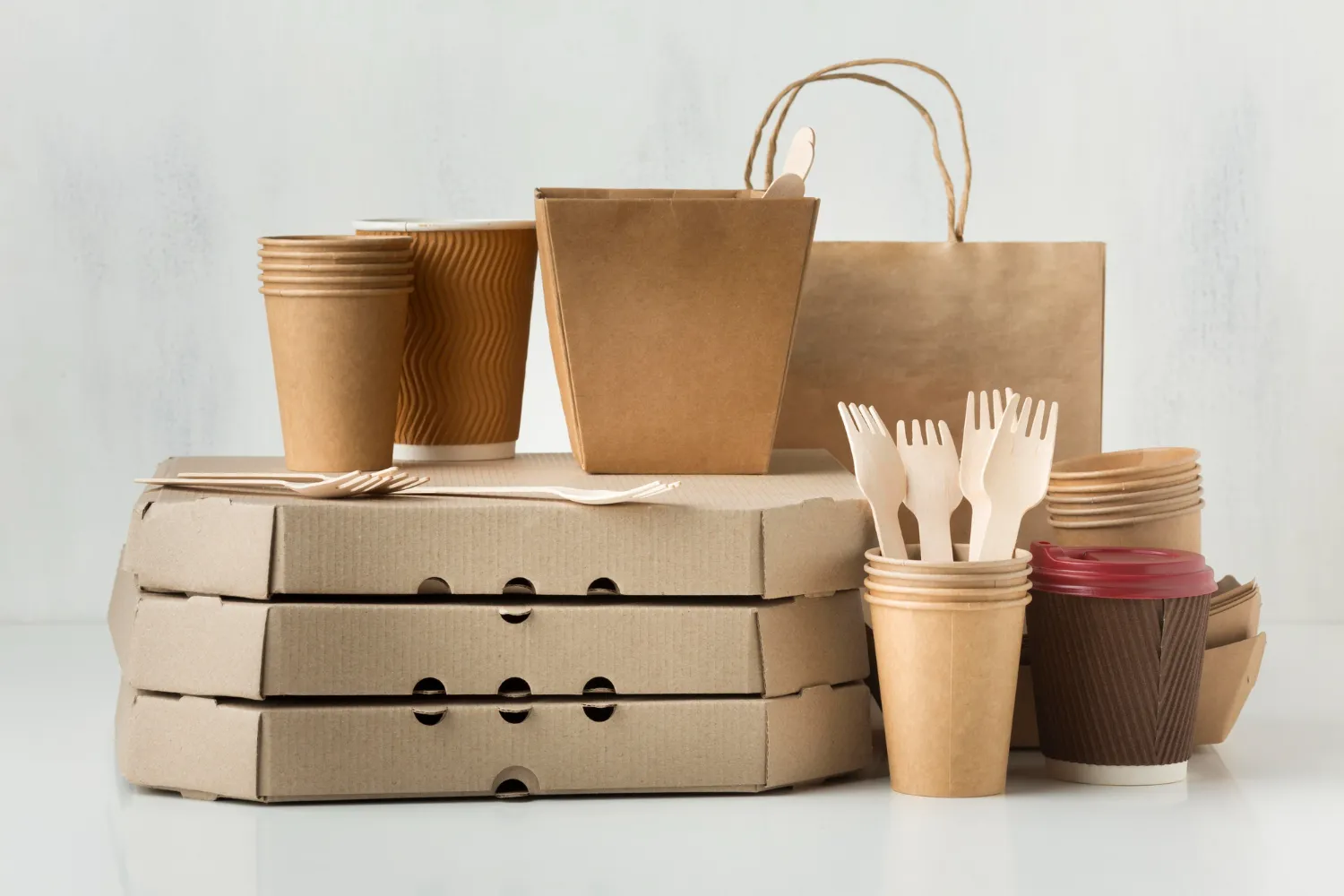
Disposable packaging covers a wide range of products built for one use and then gone: cups, containers, wraps, bags, and trays that carry food or goods from a business to a customer without coming back. Picking the right type depends on the product inside, how far it travels, and what the customer expects to see when the package arrives.
A coffee shop owner switching from styrofoam to compostable cups deals with different trade-offs than a meal-prep brand shipping frozen containers across state lines. Both fall under the same general category, yet the right material, thickness, and closure style look nothing alike once you compare the two side by side.
Cost pressure makes this decision harder than it sounds. Buying in bulk saves money per unit, but locking into ten thousand units of the wrong container wastes far more than it saves. Getting the choice right the first time, or close to it, keeps a small business from cycling through three different suppliers in a single year.
Good disposable packaging does three jobs at once: it protects the product, it holds up during transport, and it says something about the brand handing it over. Miss any one of those and customers notice fast, often in a public review.
Protection means keeping food hot or cold long enough, keeping liquids from leaking through a lid, and keeping fragile items from crushing under the weight of everything stacked on top. Transport durability covers a different concern: a container that looks fine sitting on a counter can still fail after twenty minutes bouncing around in a delivery bag.
Brand presentation matters more than owners often expect going in. A plain white box says nothing. A branded kraft container with a clean logo print tells a customer they ordered from a business that pays attention to details. That impression carries weight even when the packaging gets thrown away five minutes later.
Restaurants dealing with delivery apps face an added wrinkle: food arrives later and colder than it would in a dining room, so the container itself has to do more work. A soggy fry box or a lid that pops open in transit turns a good meal into a bad review, regardless of how the food actually tasted.
Material choice drives almost every other decision, from cost to how the product holds up over a delivery route. Four options cover most of what small and mid-sized brands actually use today.
Paperboard works well for dry goods, baked items, and light retail products, though it struggles with grease and moisture without a coating. Molded fiber, often made from recycled pulp, handles hot food and holds its shape under stacking, which makes it common for takeout containers and produce trays. PLA plastic, derived from plant starches, mimics regular plastic's clarity and rigidity while breaking down under industrial composting conditions rather than sitting in a landfill for decades. Traditional plastic still costs the least upfront and handles moisture without any coating, though more cities are restricting single-use plastic through local ordinances.
|
Material |
Avg. Cost (per unit) |
Best For |
Compostable |
|
Paperboard |
$0.10–$0.35 |
Dry goods, bakery items, retail boxes |
Yes (uncoated) |
|
Molded Fiber |
$0.15–$0.45 |
Hot food, produce, takeout containers |
Yes |
|
PLA Plastic |
$0.20–$0.60 |
Cold drinks, salads, clear-front packaging |
Industrial only |
|
Traditional Plastic |
$0.08–$0.25 |
Liquids, heavy sauces, long-haul shipping |
No |
Costs shift based on order volume and printing needs, and a supplier quote at five hundred units rarely matches the per-unit price at fifty thousand. Businesses testing a new product line often start with a smaller run in one material, then adjust once they see how it performs on real delivery routes.
The U.S. Environmental Protection Agency (2022) reported that containers and packaging made up roughly 28 percent of total municipal solid waste generated in the country, which explains why so many cities have pushed ordinances targeting single-use plastic in food service. That regulatory pressure keeps shifting more small businesses toward compostable disposable packaging even before a law forces the switch.
Most businesses assume disposable packaging comes off a shelf ready to go, but a custom order runs through several stages before it reaches a kitchen or warehouse. The process starts with material selection based on the product's temperature range, weight, and how long it sits before use.
Once the material is set, the supplier works out sizing and any custom printing. Digital printing suits smaller runs and lets a brand test a design before committing to a bigger order. Flexographic printing costs less per unit at scale but requires printing plates, which only pays off once volume climbs past a few thousand units.
After printing, the containers get formed, whether that means die-cutting flat paperboard, molding fiber into shape under heat and pressure, or extruding plastic into its final form. Quality checks follow, testing seal strength, leak resistance, and stacking weight before the order ships. A batch that fails a leak test at this stage never reaches a customer, which matters most for liquid-heavy products like soups or sauces.
A regional meal-prep brand we spoke with switched from a generic plastic container to a molded fiber tray with a vented lid after customers kept reporting soggy vegetables from trapped steam. That single change in venting design cut complaint emails by a noticeable margin within the first month, without touching the recipe at all.
Diane Osei, a packaging engineer who consults for food service brands, described the shift this way: "Most complaints about disposable packaging trace back to venting or seal issues, not the material itself. Fixing airflow solves more problems than switching materials ever does."
Price questions come up early in nearly every sourcing conversation, and the honest answer involves several factors rather than one number. Order volume matters most. A run of one thousand units costs noticeably more per piece than a run of twenty-five thousand, since setup and tooling costs spread across a larger batch.
Material choice shifts pricing too. Traditional plastic sits at the lower end, while compostable options like PLA or coated molded fiber run higher due to sourcing and processing costs. Printing complexity adds cost on top of the base material, with full-color branding costing more than a single logo stamp.
Shipping and lead time round out the picture. Rush orders almost always carry a premium, and suppliers overseas often quote lower base prices that get eaten up by longer shipping times and import fees. Businesses planning a packaging budget should request pricing at two or three volume tiers before locking into a design, since the savings at scale often change which material makes financial sense.
A low quote means little if the boxes arrive crushed or the seal fails halfway through a delivery route. Ask any supplier under consideration for physical samples before committing to a full order, since photos rarely show true weight, thickness, or how a lid actually seals.
Turnaround reliability matters as much as price. A supplier promising two weeks needs to hit that mark consistently, not just on a first sample order. Food businesses running seasonal menus or holiday promotions cannot absorb a supplier that slips past deadlines during peak demand.
A supplier focused specifically on disposable packaging — companies like Mylar Bags Pro, for example — often knows sourcing and compliance details that a general print shop skips over, particularly around food-contact material regulations. That kind of focus tends to matter most once a brand needs specialty features like grease-resistant coatings or compostable certification, since a general supplier may need to outsource those steps and add delay.
The U.S. Food and Drug Administration maintains guidelines on food-contact substances that any food-grade disposable packaging supplier should be able to speak to directly. Ask for documentation rather than taking a compliance claim at face value, since it protects the business as much as the customer.
Communication during the sample stage tends to predict how a supplier behaves once a full order is in production. One that answers questions clearly and fast early on usually keeps that pace later. One that goes quiet after the first invoice often signals trouble ahead.
Disposable packaging is any single-use container meant to be thrown away after one use, while compostable packaging is a subset built to break down under composting conditions rather than sitting in a landfill indefinitely.
Pricing typically ranges from eight cents for basic plastic containers to sixty cents or more for compostable or heavily printed options, depending on material and order volume.
Several cities and states restrict specific single-use plastic items like straws, bags, or foam containers, so businesses should check local ordinances before ordering in bulk, since rules vary widely by region.
Standard production usually runs two to four weeks after design approval, with rush options available at a higher cost and longer options common for large custom print runs.
Minimums vary by supplier and material, often starting around five hundred to one thousand units for digital printing and rising to five thousand or more for flexographic printing.
Yes, any packaging that touches food directly must meet food-contact material standards set by regulatory bodies like the FDA, covering what materials and coatings are safe for direct food contact.
Molded fiber and coated paperboard both handle grease and moderate heat reasonably well, though extended contact with very hot, oily food can weaken uncoated paperboard faster than plastic or PLA alternatives.
Yes, most suppliers offer branded printing on cups, containers, and bags, ranging from a single-color stamp to full-color wraparound designs depending on budget and order size.
Overseas suppliers often quote lower base prices on large runs, but shipping time, import costs, and quality control checks can close that gap, making local sourcing appealing for smaller or time-sensitive orders.
Leaks usually trace back to a poor seal fit, inadequate venting, or a material mismatch for the food's moisture and temperature, rather than a flaw in the base material itself.
Demand climbs sharply around holidays and summer events, pushing lead times out by several weeks, so businesses should place seasonal orders at least six to eight weeks ahead of peak demand.
PLA plastic and coated paper cups handle cold drinks and condensation well, while molded fiber and vented paperboard containers perform better for hot food that needs airflow to avoid trapping steam.
Choosing disposable packaging comes down to matching the material to the product, the delivery distance, and the budget a business can sustain order after order. A coffee shop and a meal-prep service face different pressures, even though both need containers that protect the product and hold up until it reaches the customer.
Start with samples, test them under real conditions rather than on a countertop, and confirm any compostable or food-safe claims before committing to a large order. If your business wants a supplier that focuses specifically on disposable packaging rather than treating it as a side product line, Mylar Bags Procan walk through material options and pricing based on your order volume and product needs